Sunday, March 31, 2024

Aztec Architecture Famous Aztec Buildings and Historic Sites Pyramids, Temples and Ruins

aztec design

The construction of this temple was completed in 1497 and it was built of stone along with stucco covering and polychrome paint. The Pyramids of Sun and Moon were also religious temples which were dedicated to the gods of sun and moon, Tlaloc and Chalchihuitlicue. Although this temple was not built by the Aztec’s and was exited before them, it was considered sacred by them.

The Artistic Representation of Tlaloc

Additionally, Aztec art features depictions of deities like Xipe Totec which symbolize various aspects of life and death within their culture. Aztec art wasn’t just for decoration or religious ceremonies; it was a tool to bolster the military and cultural dominance of the Aztec Empire. The vivid imagery and cosmic symbols in their sculptures, paintings, and architectural designs often portrayed societal power dynamics. From tortoise shells to dismembered hands, Aztec artists leveraged a wide range of symbols and motifs to bring their deities alive.

Psychedelic Art – An Exploration of the Psychedelic Aesthetic in Art

1427 CE and shows a solar disk which presents the five consecutive worlds of the sun from Aztec mythology. The basalt stone is 3.78 m in diameter, almost a metre thick and was once part of the Templo Mayor complex of Tenochtitlan. Around the central face at four points are the other four suns which successively replaced each other after the gods Quetzalcoatl and Tezcatlipoca struggled for control of the cosmos until the era of the 5th sun was reached.

Spread and Influence of Aztec Art

Common threads run through the history of Mesoamerican culture and particularly in art. Aztec sculpture has been a better survivor, and its subject was very often individuals from the extensive family of gods they worshipped. Carved in stone and wood these figures, sometimes monumental in size, were not idols containing the spirit of the god, as in Aztec religion the spirit of a particular deity was thought to reside in sacred bundles kept within shrines and temples. However, it was thought necessary to 'feed' these sculptures with blood and precious objects, hence tales from the Spanish conquistadors of huge statues splattered with blood and encrusted with jewels and gold. Other large sculptures, more in the round, include the magnificent seated god Xochipilli and the various  chacmools, reclining figures with a hollow carved in the chest which was used as a receptacle for the hearts of sacrificial victims.

Ancient Aztec Paintings and Aztec Art Drawings

People are drawn to their distinct and intricate designs, colorful palettes, and cultural significance. These patterns are an amalgamation of both ancient and modern art, which makes them more unique and versatile. The intricate details and bold colors make them stand out while the blend of geometric shapes and symbols adds to their enigma. However, some Aztec designs lived on in the work of local artists employed by Augustinian friars to decorate their new churches during the 16th century CE. The large circular Stone of Tizoc (carved in c. 1485 CE from basalt) is a masterful mix of cosmic mythology and real-world politics.

SDSU art exhibitions are back in action – The Daily Aztec - Daily Aztec

SDSU art exhibitions are back in action – The Daily Aztec.

Posted: Tue, 13 Feb 2024 08:00:00 GMT [source]

How The Design of Tenochtitlan Was Ahead of its Time - The Collector

How The Design of Tenochtitlan Was Ahead of its Time.

Posted: Sat, 28 Jan 2023 08:00:00 GMT [source]

Aztec pottery, clothing, jewelry, temples, and weaponry, for example, included creative art designs. The Aztecs, in particular, were known to utilize vibrant colors and expressive artwork to portray their culture and religion on these things. Feathers, shells, silver, gold, glass beads, and other gemstones were commonly utilized to manufacture these things. The Aztecs, like their cultural forefathers, used art to strengthen their militaristic and cultural superiority.

Sculptures of gruesome gods with abstract imagery could come from the same workshop as naturalistic works which depicted the beauty and grace of the animal and human form. Aztec art is renowned for its complexity and symbolism, reflecting the empire’s rich history and religious beliefs. Aztec art wasn’t just limited to stone sculptures; their mastery extended to various mediums like tortoise shells, rock crystal, and even lost wax casting. These pieces were not only aesthetically pleasing but held deeper meanings linked with religious ceremonies and political power. In addition to showcasing strength through depictions of warlike gods like Huitzilopochtli or Tezcatlipoca, they also glorified human sacrifice – central to Aztec religion – thus reminding people of their duties towards these powerful beings.

Our in-house broadloom allows us to bring custom or manufactured visions to life with our own hands. No matter what the design specifications may be, we will find the perfect blend of beautiful and durable materials that will last for years to come. Aztec Step Pyramid in Teotihuacán – The Aztec’s built some of the most magnificent pyramids of the Americas from 14th to 16th centuries. Finally, by exploring and understanding each Aztec symbol, we honor the rich cultural legacy of the Aztec civilization. Aztec symbols have become potent symbols of cultural pride for many people of Mexican descent, serving as a way to express and honor their heritage. In recent decades, there has been a renewed interest in the symbols to reconnect with indigenous roots and reclaim the identity of Aztec culture.
aztec design

Notably amongst them is the colossal Coyolxauhqui Stone, portraying the fallen goddess Coyolxauhqui dismembered at Coatepec mountain by her brother Huitzilopochtli. Carved with elaborate designs, it encapsulates a wide range of information about celestial bodies and their relation to human sacrifice rituals. Its upper surface features complex cosmic imagery centered around four dismembered hands holding hearts – symbolic representations tied closely with sacred sites across Central Mexico. Ancient religious beliefs greatly impacted artistic themes within these works too; local deities often found representation alongside more universal gods reflecting wide-ranging belief systems. This confluence of faiths and cultures made Aztec art a vibrant mosaic, one that still intrigues historians and art enthusiasts alike. It was more than just an artistic expression; it embodied military conquests and trade routes influences from previous Mesoamerican civilizations like Olmec or Maya.

The feathers were collected from both wild and farmed birds, with the best quetzal feathers originating from Guatemala, Chiapas, and Honduras. Polychrome pottery is defined as pottery with an orange or white slip and painted patterns in red, orange, brown, and black. “Black on orange”, which is orange porcelain embellished with black-painted motifs, is quite prevalent. Other big circular sculptures include the superb sitting deity Xochipilli and the many reclining figures with a depression cut in the chest used as a container for the organs of sacrificed people. Yet, it was deemed necessary to “fuel” the Aztecs’ sacred sculptures with blood and costly goods, which is why tales from the conquistadors of massive monuments covered in blood and adorned with gems and gold circulated. Smaller artifacts, such as gold lip labrets, rings, pendants, earrings, and necklaces in gold depicting anything from tortoise shells to deities, to eagles, have been uncovered, attesting to the lost-wax casting and filigree workmanship of the greatest artisans.

aztec design

Yet it also held the secrets to their extensive pantheon – gods that ruled every aspect of life sculptured into existence. Have you ever found yourself mesmerized by the intricate designs and profound symbolism in Aztec art? It is a story told not through words but crafted objects of metalwork, jade, feathers, and turquoise. Aztec architecture is particularly noteworthy in their grand temples and pyramids where they incorporated rich symbolism. A typical feature of Aztec architecture in relation to these temples and pyramids was the construction of two twin temples on the top of the pyramids.

The supreme example of this use of art as a conveyor of political and religious messages is the Templo Mayor at Tenochtitlan which was much more than a hugely impressive pyramid. It was carefully designed in every detail to represent the sacred snake mountain of the earth Coatepec, so important in Aztec religion and mythology. This mountain was the site where Coatlicue (the earth) gave birth to her son Huitzilopochtli (the sun), who defeated the other gods (the stars) led by his sister Coyolxauhqui (the moon). A temple to Huitzilopochtli was built on top of the pyramid along with another in honour of the rain god Tlaloc. Further associations with the myth are the snake sculptures lining the base and the Great Coyolxauhqui Stone carved in c.

The city-state of Toltecs was destroyed in 1168 but the imposing architecture and artworks of the remains highly impressed the Aztec’s. Perched atop a hill in the Los Feliz neighborhood, it is among the best residential examples of Mayan Revival architecture in the country. The Ennis House rises in stages, with over 27,000 blocks arranged across a concrete platform and buttressed by a retaining wall.

An iconic piece that stands out in the realm of Aztec masterpieces is the Sun Stone. This colossal basalt stone often misnamed as the ‘Aztec Calendar’, was discovered in Mexico City, which was once Tenochtitlan – heartland of the ancient Aztecs. Take, for example, the Aztec Sun Stone, an intricate stone sculpture now housed in Mexico City’s National Museum. This piece doesn’t merely tell time; its elaborate carvings depict significant deities like Xipe Totec along with warfare scenes. Intricate stone carvings depict Coatlicue adorned with skulls and dismembered hands signifying death while wearing a skirt woven from serpents representing rebirth – symbols illustrating life’s cyclical nature according to ancient lore. Aztec artistry showcased their remarkable skill set, a rich tapestry of craftsmanship and symbolism.

Turquoise mosaic work also indicates possible influence from more northern groups like Mixtecs, who were known masters at handling this delicate stone. Trade routes opened up an exchange platform for both goods and creative expressions across regions. This interaction led to the blending of elements from diverse cultures into something uniquely Aztecan.

One of the foremost reasons for the importance of art in Aztec culture was because art was an integrated part of Aztec religion. It was extensively used in the religious festivals and ceremonies throughout the year. The first is called the twin stairs pyramid where two temples were located at the top of the pyramid. Another distinguishing character of these large pyramids was a square shaped base.


Saturday, March 30, 2024

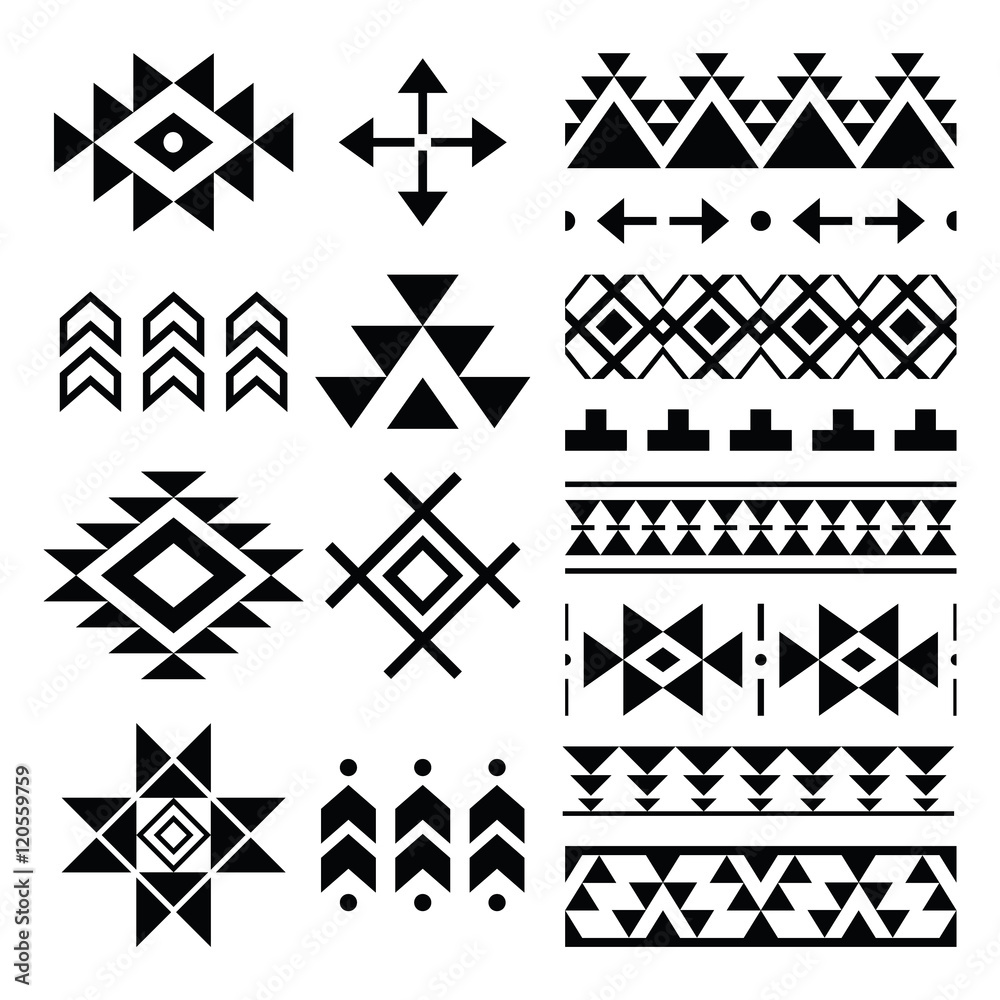
Aztec Design Patterns: A Blend of Ancient and Modern Art

aztec design

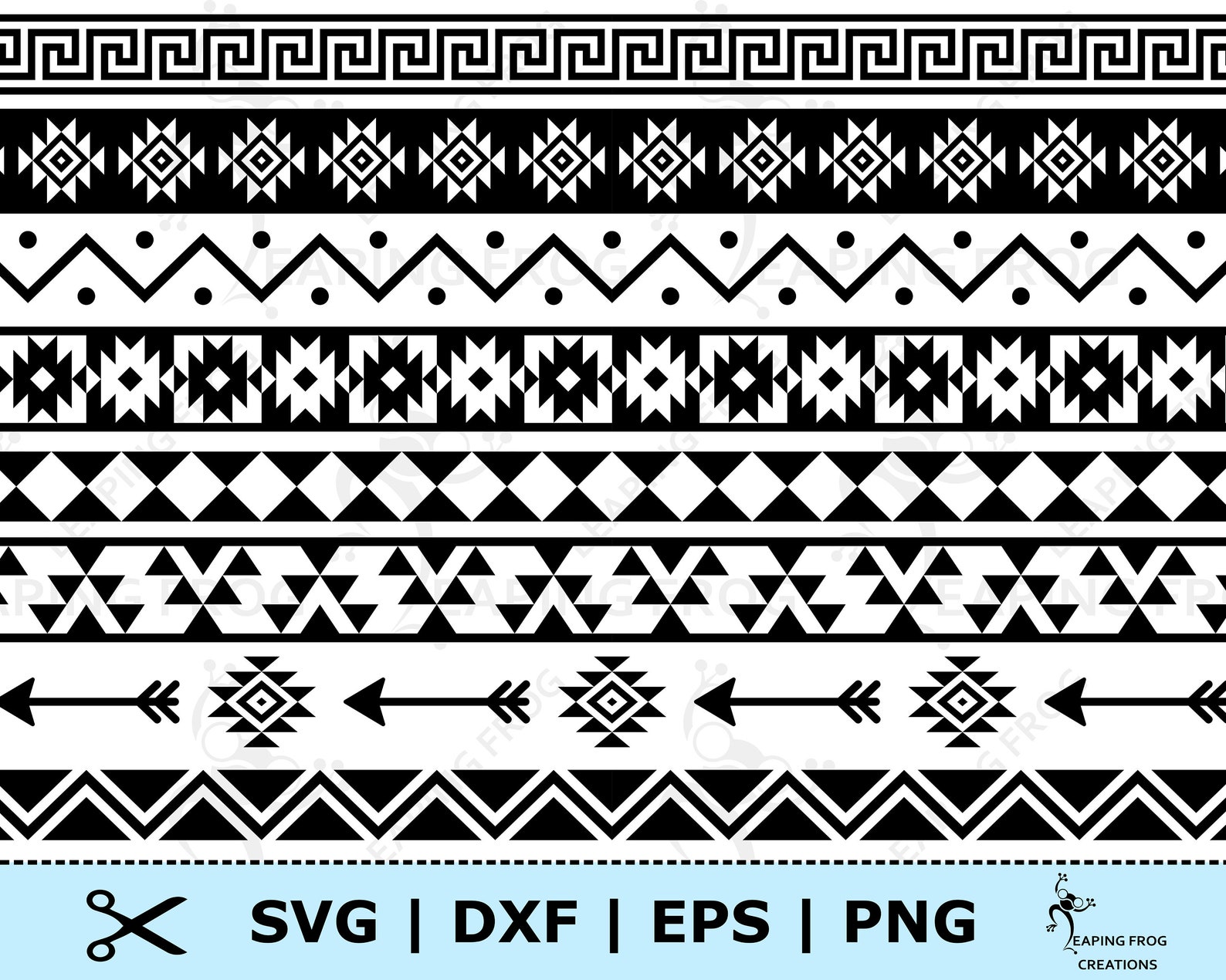
The nature and the application of most designs, in painting and sculpting, were specific to the gods and meant as a tribute to them. In architecture, as in their painted designs, the Aztecs were very keen on symmetry and proportion, going to great lengths to ensure symmetry between different parts of a temple or a city. The colours used to adorn these design were very bright and Aztec seemed to value bright colours very highly. The Sun Stone, also known as the Aztec Calendar Stone (despite the fact that it is not a functioning calendar), must be the most recognisable art object produced by any of the great civilizations of Mesoamerica.

aztec design

Aztec Design Patterns: A Blend of Ancient and Modern Art

From the 13th century, the Valley of Mexico was the heart of dense population and the rise of city-states. The Mexica were late-comers to the Valley of Mexico, and founded the city-state of Tenochtitlan on unpromising islets in Lake Texcoco, later becoming the dominant power of the Aztec Triple Alliance or Aztec Empire. It was an empire that expanded its political hegemony far beyond the Valley of Mexico, conquering other city states throughout Mesoamerica in the late post-classic period. It originated in 1427 as an alliance between the city-states Tenochtitlan, Texcoco, and Tlacopan; these allied to defeat the Tepanec state of Azcapotzalco, which had previously dominated the Basin of Mexico. Soon Texcoco and Tlacopan were relegated to junior partnership in the alliance, with Tenochtitlan the dominant power.

Elements of Art – An Analysis of the Seven Art Elements

Fewer than 10 pieces of genuine Aztec featherwork survive today due to the difficulties of preserving feathers. Feather mosaics were arrangements of minute pieces of feathers from a broad variety of birds, often produced on a paper foundation composed of cotton and paste, then backed with amate paper, although other types of paper and direct on amate were also used. Polychrome pottery was transported from the Cholula region and was highly valued as a luxury item, although the indigenous black-on-orange patterns were also used on a daily basis. The skills and superb workmanship of the Toltecs, who predate the Aztecs in central Mexico, were immensely valued by the Aztecs.

Art Periods – A Detailed Look at the Art History Timeline

The defeated are also portrayed as Chichimecs i.e. landless barbarians, whilst the victors wear the noble dress of the revered ancient Toltec. The upper surface of the stone, 2.67 m in diameter, depicts an eight-pointed sun-disk. The Stone of Tizoc now resides in the National Museum of Anthropology in Mexico City. This god represents agriculture and the cycles of vegetation, symbolized by maize—a key crop in Aztec life. The depiction of elaborate costumes made from human skin, used in religious ceremonies to honor this somewhat obscure deity, further highlights their unique cultural practices. The National Museum showcases intricate stone sculptures that bear witness to the technical mastery achieved by Aztec artists.

This intricately carved monolith gives us insight into both solar worship prevalent across ancient cultures and the detailed workings of the complex yet precise Aztec calendar system. Mexico City’s modern-day landscape also bears witness to ancient influences through surviving remnants like the great Coyolxauhqui Stone at Templo Mayor complex which represents fallen goddesses from cosmic imagery embedded within Aztec mythology. Tortoise shells were used as symbolic elements around this deity’s images because they represented land surrounded by water – another nod towards his role as a bringer of rain. Such details highlight how deeply connected Aztecs felt to nature’s cycles and underscore their respect for it. Ceremonial drums, too, were more than mere musical tools; they were the canvas for storytelling through elaborate etchings on their surfaces depicting various aspects from mythology, including Xipe Totec – one among many gods worshipped by them.

Military jet developer Aeralis unveils ‘revolutionary’ designs - Business Live

Military jet developer Aeralis unveils ‘revolutionary’ designs.

Posted: Tue, 12 Sep 2023 07:00:00 GMT [source]

I only work with them because the product is excellent and the service is unparalleled. They handle everything from start to finish which means that from the moment I walk in the door through installation and beyond, they take care of me. I have worked with Jim and his company on many commercial and luxury residential projects through the years.

It’s clear that imperial-sponsored art was highly valued and widely distributed throughout the realm. Aztec artists used these masterpieces to establish authority and demonstrate power. With each stroke of the chisel or brush, they painted a narrative of dominance that still resonates today. Their art wasn’t just about aesthetics; it was also an intricate display of political strategy and societal control. In one iconic basalt stone representation known as the Great Coyolxauhqui Stone, she is shown dismembered after being defeated by her brother Huitzilopochtli – reinforcing patriarchal supremacy.

Though concrete was still considered a new material in the 1920s, especially for home construction, Wright believed it had promising potential for affordable housing. He created a block construction system with patterned surfaces, which lended a unique textural appearance to both the exteriors and interiors of his residences. The concrete—a combination of gravel, granite and sand from the site—was hand-cast in aluminum molds to create blocks measuring 16”x 16” x 3.5” that were then woven together with steel rods, giving the textile block houses their name. The Ennis House is unusually monumental and vertical for a Wright residence, but when the architect completed it in 1924 he immediately considered it his favorite. The study of Aztec culture and its symbols is not limited to artistic or cultural appreciation. It also plays a crucial role in academic research in places such as central Mexico.

The Artistic Representation of Tlaloc

The Aztecs were deeply committed to both art and religion, and the two were inextricably linked. Our understanding of the Aztec empire and culture is mostly based on pictorial codices and Aztec ancient art. Much of the gold and silver jewelry was lost to the invading Spanish, who melted it down for coins.

Huitzilopochtli was the patron god of the Mexica people while Tlaloc was the god of rain and fertility. The Pyramid of the Moon was dedicated to Chalchihuitlicue who was the goddess of lakes and streams. Aztecs worshipped many gods who served specific purposes and were thus separately worshipped. Various other gods and goddesses in the Aztec pantheon included Xiuhtecuhtli the god of fire, Centeotl the god of maize, Citlalicue the goddess of the Milky Way, Tlaltecuhtli the god of the earth, Tlaloc the rain god, and others. Although there were mutual influences between these original and otherwise distinct and richly varied pre-Columbian artistic traditions, the syncretism of these modern reproductions is often an ahistorical one.

Aztec architecture made use of a variety of local as well as imported construction materials. They quarried different types of volcanic stone which was used in the construction of all sorts of buildings. Aztec architecture had diverse styles for the construction of public buildings, regular homes, and great palaces. However, the most important stylistic components of the Aztec architecture are reflected in their pyramids.

These cultures included the Olmec culture which existed in the region during the BC era as well as the Mayan culture, the Zapotecs, and the Toltec culture. Other than these historical influences, Aztec architecture also had various elements unique to it. We offer you extensive information about the history of art, analyses of famous artworks, artist biopics, information on architecture, literature, photography, painting, and drawing. The stone’s center has an image of either Tonatiuh or Yohualtonatiuh or the primal earth creature Tlaltecuhtli, the latter marking the world’s final devastation when the 5th sun fell to Ground. Layers of “ordinary” feathers, colored feathers, and expensive feathers were used in these creations.

At Ancient Origins, we believe that one of the most important fields of knowledge we can pursue as human beings is our beginnings. And while some people may seem content with the story as it stands, our view is that there exist countless mysteries, scientific anomalies and surprising artifacts that have yet to be discovered and explained. Miniature work was also popular where subjects such as plants, insects, and shells were rendered in precious materials such as carnelite, pearl, amethyst, rock crystal, obsidian, shell, and the most highly valued of all materials, jade. Feathers cut up into small pieces were used to create mosaic paintings, as decoration for shields, costumes and fans, and in magnificent headdresses such as the one ascribed to Motecuhzoma II which is now in the Museum für Völkerkunde in Vienna. The centerpiece, however, remains arguably one of Mesoamerica’s greatest works- the Sun Disk.

To make the pictures turn out more clearly, the surface of the material was frequently first coated with gesso. Paintings and writing were recognized by the words“in tlilli, in tlapalli”, which means “black ink, red pigment”. None of these are definitively shown to have been made before the invasion, although some codices must have been produced either just before or shortly after the conquest – before the customs for making them were greatly disrupted. Aztec designs are indicative of a culture very rich and with a very creative mythology. The Aztec Empire itself was a conglomeration of different tribes which had settled in Valley of Mexico. Moreover, once the Empire began expanding, it accepted influences from other people and city-states it came into contact with.

The basalt stone measures 3.78 meters in diameter and about a meter wide, and it was formerly part of Tenochtitlan’s Templo Mayor complex. Many Aztec families and even communities dedicated themselves to creating artwork for Aztec elites. The guild nobility supplied the raw materials, while the artists produced the final works—the spectacular stone carvings, jewels, complex ceremonial outfits for large religious events, and feather cloaks, shirts, and headdresses.

Techniques such as rock crystal carving or basalt stone sculpting allowed for detailed designs that continue to captivate viewers even today. In addition to that, there is sacred ball-court and skull rack located at the foot of the stairs of the temple. The temple is aligned with cardinal directions with gates connecting to roads in these directions. The Aztec capital city of Tenochtitlan had an impressive architecture which has also been described by Spanish conquistadors. There was a grand plaza at the centre of the city which was surrounded by temples, pyramids, shines, and other public buildings.

Stick on Hair Pearls

Table Of Content Large Pearl Hair Pins Pearl Wedding Hair Pins Pearl Bridal Hair Pins Pearl Hair Accessories Wedding Hair Accessories Bridal...